Project details
The Bionexus Foundation has carried out a research project to study the functioning of inland aquatic ecosystems (specifically freshwater ponds) from a different perspective than the one usually applied. Unlike most ecological studies that use taxonomic diversity, this project aimed to study ponds from the perspective of organism size structure. The goal was to identify the main factors determining the body length of zooplankton (focusing on crustaceans) across a latitudinal gradient (ponds in Europe, Turkey, and Uruguay). It also analyzed whether environmental factors affected taxonomic diversity and the size structure of zooplankton communities in the same way at a local scale (Catalonia). Finally, it examined which environmental factors had a greater effect on size structure: local-scale factors or latitudinal and climatic factors (Europe and South America). The project was carried out by Dr. Katterin Rincón Palau and Dr. Serena Sgarzi, and is the result of Dr. Rincón's doctoral thesis, presented in 2026 in collaboration with the University of Vic - Central University of Catalonia.
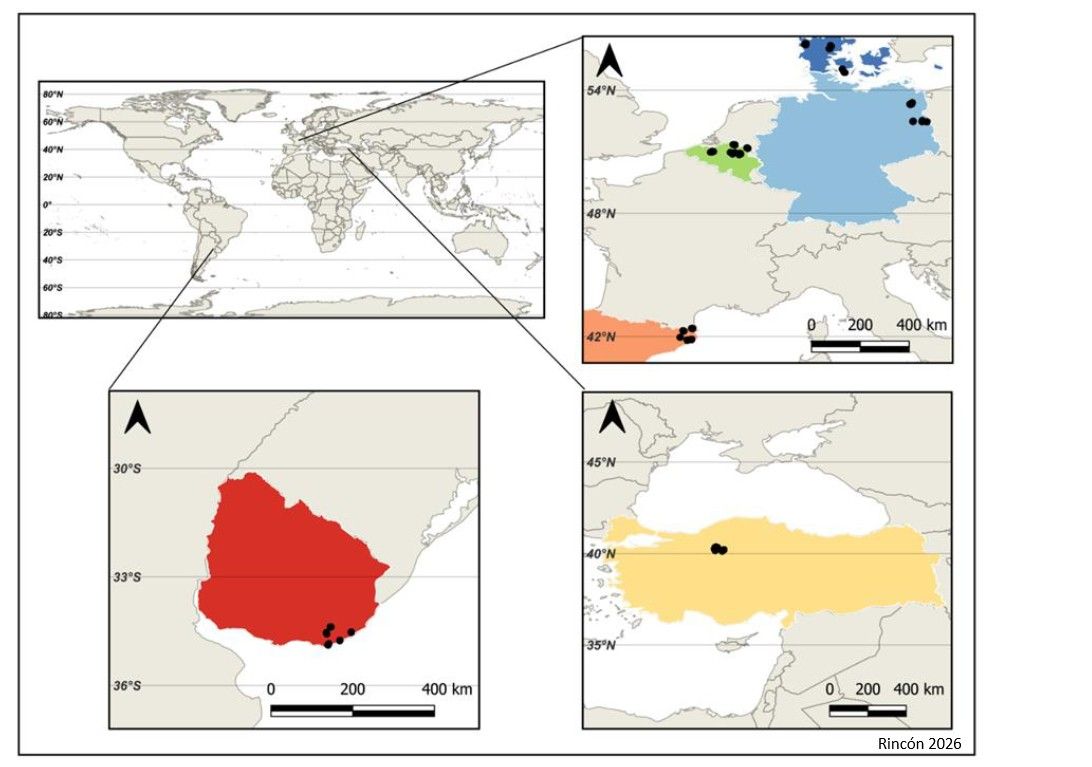
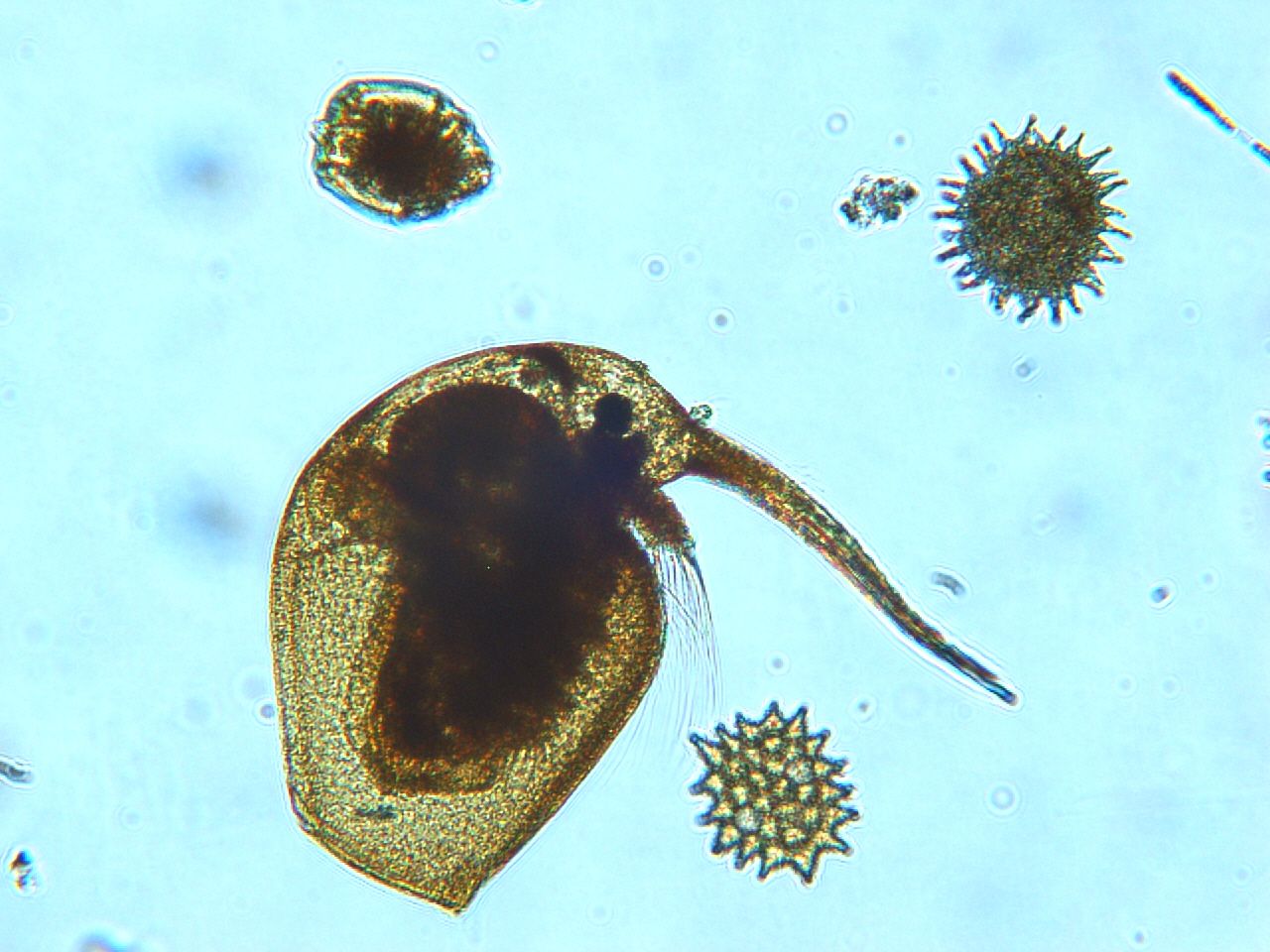
The project results indicated that temperature and fish presence are the main factors determining the body size of zooplankton crustaceans. Thus, larger individuals predominate in colder ponds, whereas the presence of fish favors the dominance of smaller individuals.
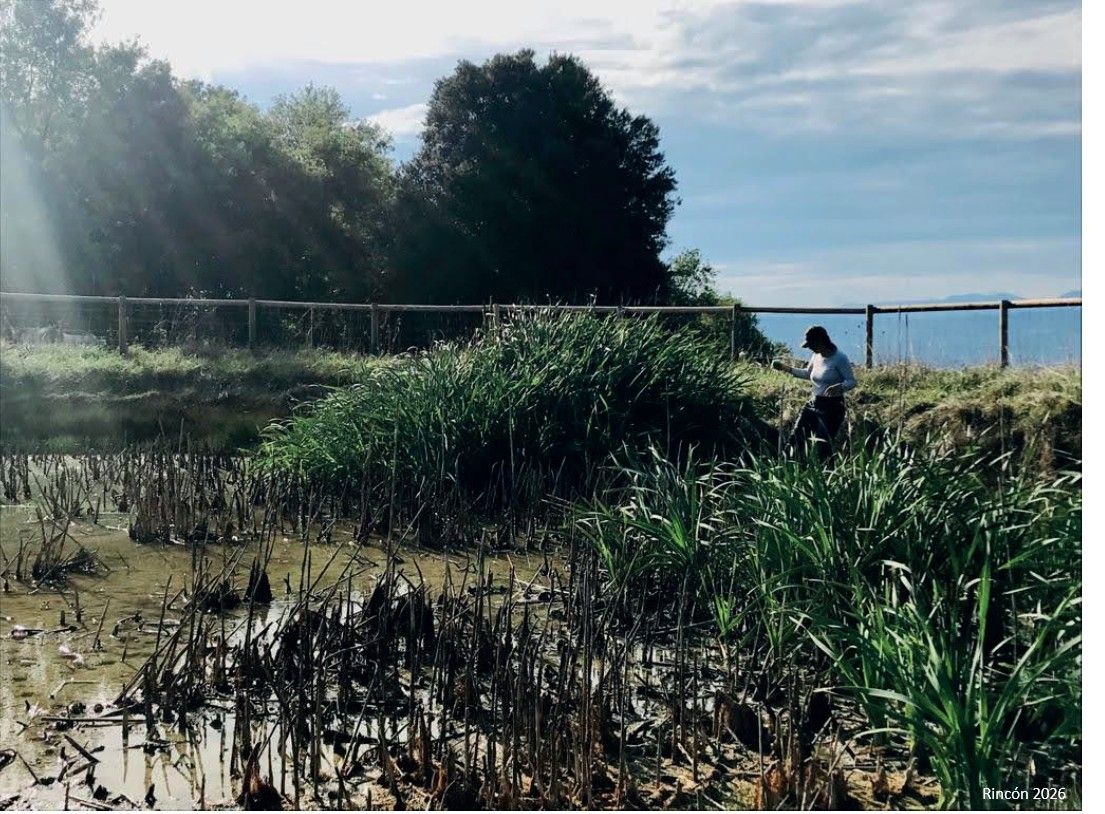
To assess whether environmental factors affected size structure and zooplankton taxonomic diversity in the same way in a Mediterranean context, 30 ponds in NE Catalonia were studied. It was observed that zooplankton size structure is more sensitive to variations in pond trophic status and fish predation, whereas taxonomic structure is more influenced by pond morphometry. Eutrophic ponds—with high chlorophyll-a concentrations, dissolved oxygen supersaturation, fish presence, and low macrophyte abundance—are dominated by small-sized zooplankton with low size diversity. In contrast, ponds with high macrophyte abundance and shallower depth exhibit higher zooplankton biomass and size diversity.
To evaluate how climatic and latitudinal factors influence the zooplankton size spectrum, 141 ponds across Europe (Denmark, Germany, Switzerland, and Catalonia) and Uruguay were analyzed, encompassing different bioclimatic regions and pond trophic states. The results showed that local environmental factors, especially trophic status and pond morphometry, are more decisive in shaping the size spectrum than climatic variables. Consequently, more eutrophic ponds with high chlorophyll-a concentrations are dominated by small zooplankton, whereas less eutrophic ponds are dominated by larger zooplankton.
The project's findings highlight that zooplankton size structure serves as a sensitive and consistent indicator of the processes regulating the ecological functioning of freshwater ponds. Therefore, it is important to integrate this body-size approach into ecological studies of pond ecosystems, as it provides a better understanding of the structural and functional patterns of aquatic communities. Additionally, integrating local factors with climatic and latitudinal variables is essential to analyze how these factors condition size structure across different spatial scales.
Complet study here
Copyright © 2026 Bionexus.